What Sets Designer Jewellery Apart From Classic Pieces
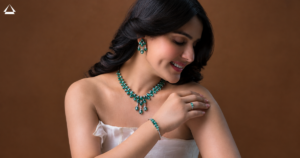
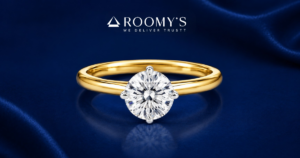
A classic piece is built to disappear into the background of whatever you’re wearing. A designer piece is built to do the opposite, to be the thing someone actually comments on. That’s really the whole difference, and once you understand it, choosing between the two collections gets a lot easier.
Designer Pieces Take Real Creative Risks
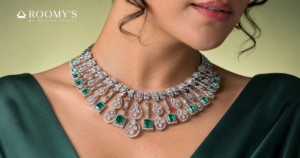
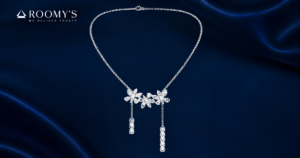
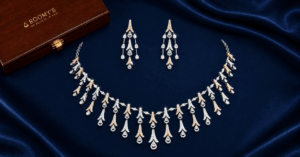
Where a classic solitaire keeps the design minimal on purpose, the Designer collection leans into shape, motif, and asymmetry. Think floral and nature inspired silhouettes, drop earrings built around cascading diamond arrangements, open hoop designs, pieces that mix more than one diamond shape in a single design, pear cuts paired with round brilliants, for instance, rather than sticking to one cut throughout. These choices add character, but they also mean the design itself is doing more of the visual work than the stone alone.
Mixing Diamond Shapes Is A Deliberate Technique
A lot of designer pieces combine two or more diamond shapes within the same design, a cluster of round stones alongside a pear or marquise accent, for example. This isn’t just decorative variety for its own sake, different shapes catch and release light differently, so combining them creates a more layered, varied sparkle than a piece built entirely from one cut. It’s a genuinely different visual effect from the consistent, uniform sparkle you’d get from an all round brilliant design.
Two Tone Metal Work Shows Up Often Here
Classic and solitaire pieces tend to commit to a single metal tone throughout. Designer pieces frequently mix two, rose and white gold together in one setting, for instance, which adds visual contrast and makes the piece read as more constructed and intentional rather than simply cast in one material. It’s a detail that’s harder to pull off well, which is part of why it tends to show up more in design forward pieces than in everyday staples.
Settings Get More Structural Attention
Features like micro pavé work across wider bands, hidden or invisible clasps on bracelets, and more architectural, sculptural shapes all show up more often in designer pieces than in classic ones. These are details that take more time and precision to execute well, and they’re part of what separates a piece that reads as a considered design from one that reads as simply well made.
Who This Collection Actually Suits
Designer pieces work best for someone who already has a few versatile, classic pieces in rotation and is looking to add something with genuine personality on top of that foundation. They’re not usually the piece you reach for daily without thinking, they’re the piece you choose deliberately for a specific outfit or occasion where you want something with more visual presence. If you’re earlier in building a collection, it’s generally worth having the classic basics in place first, then layering in a few designer pieces once you know what style actually suits you.
What To Actually Look For When Choosing One
Since a designer piece is built around its overall silhouette rather than one dominant stone, pay attention to how the whole design sits and catches light as a complete piece, not just the specifications of any single diamond within it. A combination of shapes or an asymmetric layout should feel balanced as a whole, even if no individual element is doing all the work on its own.
People Also Ask
What’s the main difference between designer and classic jewellery? Classic pieces are built around minimal, versatile design meant to pair with anything, while designer pieces take more creative risks with shape, motif, and detail, meant to stand out on their own.
Why do some designer pieces mix different diamond shapes? Combining shapes like round and pear cuts in one design creates varied, layered sparkle rather than the uniform look of a single consistent cut, adding visual depth to the piece.
Is two tone gold a common feature in designer jewellery? Yes, mixing metals like rose and white gold within one piece is more common in designer collections than in classic or solitaire designs, adding contrast and a more constructed look.
Should I start my jewellery collection with classic or designer pieces? Classic pieces generally make a better starting foundation since they’re versatile, with designer pieces added afterward once you know what personal style you’re drawn to.
Are designer pieces good for everyday wear? They can be, but they’re often chosen more deliberately for specific outfits or occasions rather than worn on daily rotation the way classic pieces typically are.
What should I evaluate when choosing a designer piece? Look at how the whole design reads together, including shape combinations and metal work, rather than focusing on the specifications of a single stone within it.