What Pave Setting Actually Means and Who It Suits
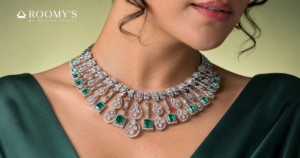
Look closely at a few pieces in the Designer collection and you’ll notice something that doesn’t show up in a plain solitaire. The metal itself seems to be covered in diamonds, small stones packed so closely together that the surface reads as one continuous sheet of sparkle. That’s pave, and it’s one of those terms people nod along to without ever being told what it actually involves.
What Pave Actually Is
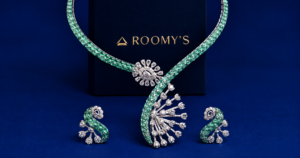
The word comes from the French for paved, as in a cobbled street. In a pave setting, many small diamonds are set into the metal surface, each held in place by tiny beads or prongs raised from the metal itself, with very little visible metal between the stones. Instead of one centre stone doing the work, the whole surface of the piece sparkles together.
Why It Looks So Different From A Solitaire
A solitaire puts all its visual weight on a single diamond, so everything depends on that stone’s cut. Pave spreads the sparkle across dozens of small stones, which means no single diamond has to carry the design. The effect is softer and more continuous, less of a spotlight and more of a glow. It’s also why pave shows up so often in bands, open shank rings, and flower or leaf shaped designs, where the metal curves and the diamonds follow it.
Where You’ll See It In Practice
Pave tends to appear in a few formats. Bands and eternity style rings use it to carry sparkle around the finger. Open shank and sculptural rings use it to give a flowing shape some shine along its curves. And in shaped designs like flowers, bows or cascades, it fills in the outline of the motif with light. If you’re browsing rings with a flowing or open silhouette, there’s a good chance pave is what’s creating that effect.
What To Look For In Good Pave Work
The quality of a pave piece shows in the details. The small stones should be well matched in size and colour, since mismatched melee diamonds make the surface look patchy rather than seamless. The beads holding them should be neat and even, with the stones sitting level rather than tilting. And the overall surface should feel smooth when you run a fingertip lightly over it, without stones standing proud or catching on fabric.
The Honest Trade Off
Pave is beautiful, but it asks a little more of you than a solitaire does. The stones are small and held by small beads, which means they’re more vulnerable to heavy knocks than a larger stone in a sturdy prong. The tiny gaps between stones can also collect soap and skin oil, so pave pieces tend to look duller faster if they’re never cleaned. None of this is a reason to avoid pave, it’s just worth knowing that the sparkle you’re buying comes with a small commitment to gentle care.
Living With A Pave Piece
A few simple habits go a long way. Take pave rings off for gym sessions and heavy household work. Clean them every so often in warm water with a drop of mild soap and a very soft brush, getting gently into the gaps between stones. And every now and then, look closely at the piece in good light, checking that no stones look loose or missing, so small issues get noticed early rather than late.
Who Pave Suits Best
Pave suits someone who wants sparkle without a single dominant stone, who likes flowing or sculptural shapes, and who doesn’t mind a little regular care. If you’d rather have something you never think about, a simple solitaire from the Solitaire collection is the lower maintenance route. If you love how light moves across a whole surface, pave is hard to beat.
People Also Ask
What does pave setting mean? It’s a style where many small diamonds are set closely together across a metal surface, held by tiny beads, so the surface appears covered in continuous sparkle with very little visible metal between stones.
Is pave setting less durable than a prong setting? It can be somewhat more vulnerable to heavy knocks, since the stones are small and held by small beads, so it benefits from being taken off during rough activity and checked occasionally.
Does pave make a ring look bigger? It can add visual presence, since the sparkle spreads across a larger area, but it works differently from a halo, which specifically enlarges the look of a centre stone.
How do I clean a pave piece at home? Soak it briefly in warm water with a little mild soap, then gently brush into the gaps with a very soft brush, rinse and pat dry. Avoid anything abrasive.
What makes pave work look high quality? Evenly matched stones, neat and consistent beads, stones sitting level, and a smooth surface with nothing catching or standing proud.
Is pave a good choice for an engagement ring? It can be, especially in a band or a ring with a flowing silhouette, though some people prefer a simpler solitaire for lower maintenance. It comes down to how much care you’re happy to give it.